


Travel has always been one of the most exciting ways to experience different cultures, discover breathtaking destinations, and create unforgettable memories. However, the modern travel industry is evolving faster than ever thanks to rapid technological innovation. From artificial intelligence to mobile booking systems, technology is transforming how people plan, experience, and share their journeys across the globe.
Today’s travelers expect convenience, speed, personalization, and flexibility. Digital platforms such as slot 88 and other online entertainment ecosystems have also contributed to changing consumer habits, encouraging people to spend more time in connected digital environments where information and services are available instantly. This shift has influenced not only entertainment but also tourism, hospitality, and global travel experiences.
Technology Has Revolutionized Travel Planning
In the past, planning a vacation required visiting travel agencies, purchasing physical guidebooks, and spending significant time researching destinations manually. Modern travelers can now organize entire trips within minutes using smartphones or laptops.
Online travel platforms allow users to:
- Compare hotel prices instantly
- Book flights in real time
- Explore destination reviews
- Find local attractions
- Purchase travel insurance
- Create personalized itineraries
This level of convenience has made international travel more accessible to people from different backgrounds and income levels.
Artificial intelligence also helps users discover destinations that match their preferences, travel budgets, and interests. Recommendation systems analyze browsing behavior and suggest personalized travel experiences based on previous searches and booking history.
The Growing Popularity of Smart Tourism
Smart tourism refers to the integration of digital technologies into travel experiences. Cities around the world are investing heavily in smart infrastructure designed to improve convenience and efficiency for visitors.
Examples of smart tourism technologies include:
- Digital tourist information systems
- Smart transportation networks
- Contactless payments
- AI-powered translation apps
- Virtual tour guides
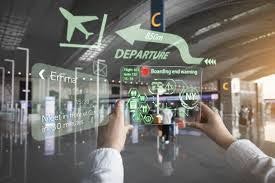
- Augmented reality navigation
These innovations improve both tourist satisfaction and operational efficiency within the travel industry.
Travelers today can navigate unfamiliar cities using real-time maps, translate foreign languages instantly, and even access digital museum guides directly from their phones.
Mobile Devices Have Changed Everything
Smartphones have become essential travel companions. Travelers now rely on mobile applications for nearly every stage of their journey.
Common uses of travel apps include:
- Booking accommodations
- Checking flight updates
- Ordering transportation
- Finding restaurants
- Sharing travel photos
- Accessing digital boarding passes
Mobile technology eliminates many traditional travel frustrations and helps users remain connected no matter where they are in the world.
The rise of mobile photography and social media has also influenced tourism trends significantly. Beautiful destinations often become globally popular after going viral online through platforms like Instagram, TikTok, and YouTube.
Social Media and the Influence of Digital Culture
Social media now plays a major role in modern travel decisions. Many travelers choose destinations based on visual appeal, influencer recommendations, and online trends.
Travel creators and influencers showcase exotic locations, luxury resorts, hidden gems, and local experiences to millions of followers worldwide. This digital exposure can rapidly increase tourism demand for specific destinations.
Some major effects of social media on travel include:
- Increased global tourism awareness
- Faster discovery of emerging destinations
- Greater interest in cultural experiences
- Growth of solo travel communities
- Expansion of digital nomad lifestyles
At the same time, travelers increasingly seek authentic experiences rather than traditional tourist activities.
Sustainable Travel Is Becoming More Important
As global tourism grows, sustainability has become a critical topic within the travel industry. Travelers are becoming more aware of environmental impact and are choosing eco-friendly options whenever possible.
Sustainable travel practices include:
- Supporting local businesses
- Reducing plastic usage
- Choosing eco-friendly accommodations
- Using public transportation
- Respecting cultural heritage sites
Technology helps promote sustainability by allowing travelers to access information about environmentally responsible tourism providers.
Many travel companies now use digital tools to monitor carbon emissions, improve energy efficiency, and encourage sustainable behavior among customers.
The Rise of Remote Work and Digital Nomads
Remote work has created entirely new travel lifestyles. Millions of professionals can now work from anywhere with a stable internet connection, leading to the rapid growth of digital nomad communities.
Countries worldwide are adapting by offering:
- Digital nomad visas
- Co-working spaces
- Long-term stay packages
- High-speed internet infrastructure
This trend is reshaping tourism economies and creating new opportunities for local businesses.
Popular destinations for remote workers often combine affordable living costs, strong internet connectivity, and attractive lifestyles.
Artificial Intelligence in the Travel Industry
Artificial intelligence is rapidly becoming one of the most influential technologies in tourism.
AI applications include:
- Virtual travel assistants
- Automated customer support
- Personalized travel recommendations
- Dynamic pricing systems
- Predictive travel analytics
Airlines and hotels use AI to optimize operations, reduce costs, and improve customer experiences.
Chatbots now assist travelers 24/7, helping answer questions, manage reservations, and solve common travel issues quickly.
Safety and Digital Security for Travelers
As travel becomes increasingly digital, cybersecurity and data protection are more important than ever.
Travelers often share sensitive information online, including:
- Passport details
- Credit card information
- Travel itineraries
- Personal identification documents
To protect users, travel platforms must implement strong security systems such as:
- Encrypted payment gateways
- Secure authentication systems
- Fraud prevention monitoring
- Privacy protection policies
Travelers should also practice good cybersecurity habits, including avoiding unsecured public Wi-Fi networks and using strong passwords while abroad.
Virtual Reality and the Future of Tourism
Virtual reality technology is beginning to transform how people explore destinations before traveling.
VR experiences allow users to:
- Tour hotels virtually
- Explore landmarks remotely
- Preview vacation destinations
- Experience museums online
This technology helps travelers make more informed decisions before booking trips.
In the future, virtual reality may become an even bigger part of the tourism industry, especially for educational travel and destination marketing.
Conclusion
Technology continues to reshape the global travel industry in remarkable ways. Modern travelers now enjoy greater convenience, personalization, accessibility, and connectivity than ever before.
From artificial intelligence and mobile applications to sustainable tourism and virtual reality, innovation is transforming how people discover and experience the world. As digital culture continues evolving, smart travel solutions will likely become even more advanced and integrated into everyday life.
The future of travel will depend heavily on how technology balances convenience, sustainability, security, and authentic human experiences. Travelers who embrace these innovations will enjoy richer, safer, and more meaningful adventures across the globe.
