


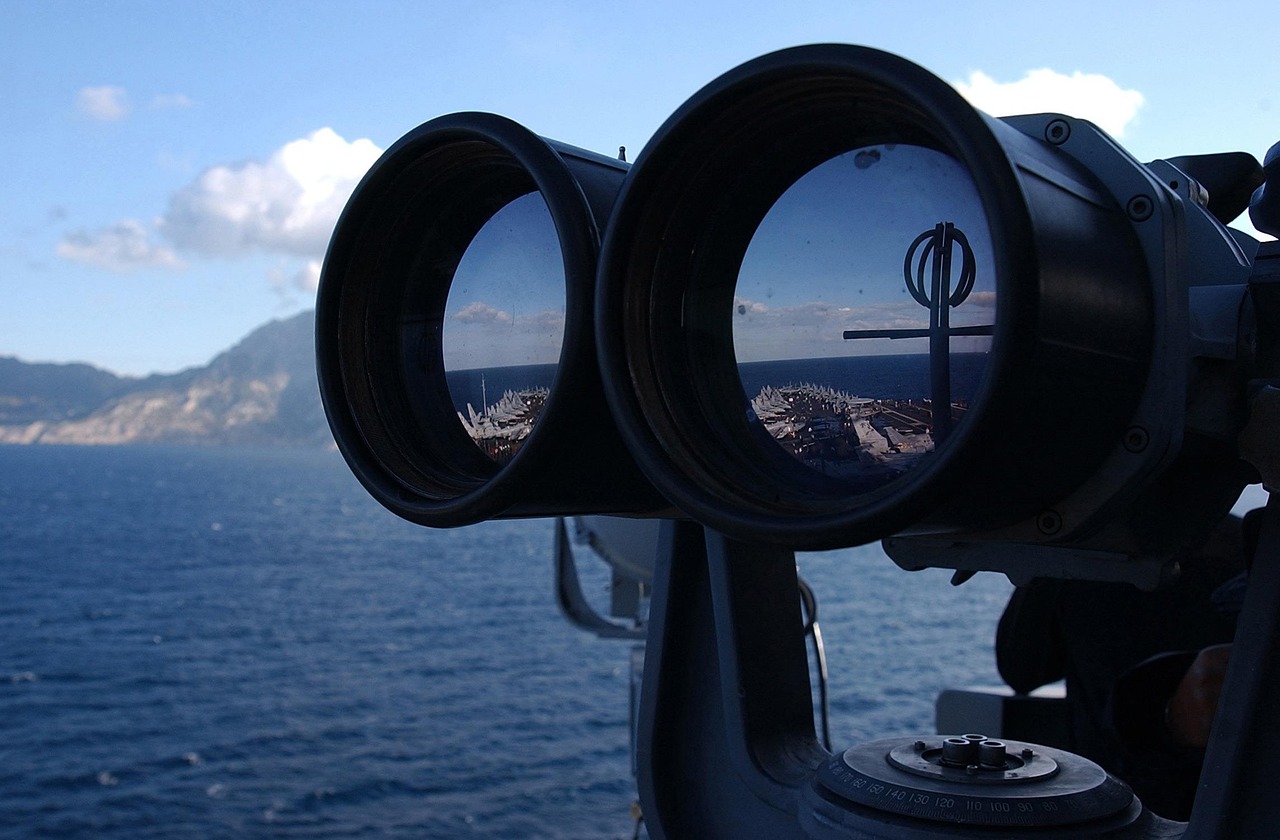
When it comes to outdoor observation or precision shooting, being able to see clearly at a distance changes everything. Magnification is the feature that brings faraway objects closer, like a bridge between you and the horizon. It allows you to notice details you might otherwise miss, whether it’s a deer grazing across the valley or a distant target in the field.
But magnification isn’t just about making things bigger. Higher power can also make images shakier if you don’t have a stable stance or tripod. This is why choosing the right level of magnification matters—it’s about balance, not just zoom.
Understanding Field of View
Field of view is essentially the amount of landscape you can see through your binoculars. A wider field of view lets you track moving animals or scan an area quickly. Narrower views give more detail but show less of the surroundings.
For example, when bird watching or spotting wildlife, a broad view helps you locate your subject before zooming in for a closer look. In shooting scenarios, it can help you spot your target without having to adjust your position constantly.
Balancing Magnification and Field of View
Magnification and field of view work together, and understanding both is key for choosing the right binoculars. Higher magnification shrinks the field of view, while lower magnification offers a wider scene. It’s a trade-off that depends on what you plan to observe.
If your goal is long-range observation, like scouting distant landscapes or precision shooting, shooting binoculars with moderate magnification often provide the best mix. They let you see clearly without losing the bigger picture of your surroundings.
Enhancing Accuracy and Observation
Proper magnification and field of view can improve accuracy when observing or aiming. Seeing small details clearly helps you make informed decisions, whether adjusting your position or tracking wildlife movements.
It’s not just about precision—it’s also about comfort. Straining to focus or constantly shifting your view can make any observation tiring. Choosing binoculars that balance magnification and field of view ensures a smoother, more enjoyable experience.
Improving Every Outdoor Experience
Outdoor adventures become richer when you can see both the big picture and the tiny details. Magnification and field of view let you appreciate the full scope of a landscape while still catching subtle movements.
From watching whales offshore to tracking distant wildlife or identifying features across a valley, these features make exploration more immersive. Binoculars aren’t just tools—they’re companions that deepen your connection with the world around you.
Conclusion
Magnification and field of view are more than technical specs—they determine how you experience the outdoors. Knowing how they work together helps you choose binoculars that enhance clarity, accuracy, and enjoyment.
By understanding these concepts, you can select shooting binoculars that suit your needs, whether for long-range observation, wildlife tracking, or recreational adventures. With the right pair in hand, every detail becomes more vivid, every moment more memorable, and every outdoor excursion more rewarding.
